Local-first inference is rewriting the desktop tool stack
A short companion to the on-device note: the architectural shape of new desktop AI tools has visibly changed in the past year, and it is worth describing without naming particular products.
A year ago, the dominant pattern for an "AI desktop tool" was a thin native shell talking to a remote inference endpoint. The shell handled the UI; everything interesting happened on a server. The local binary was, in effect, a chat client with operating-system integrations.
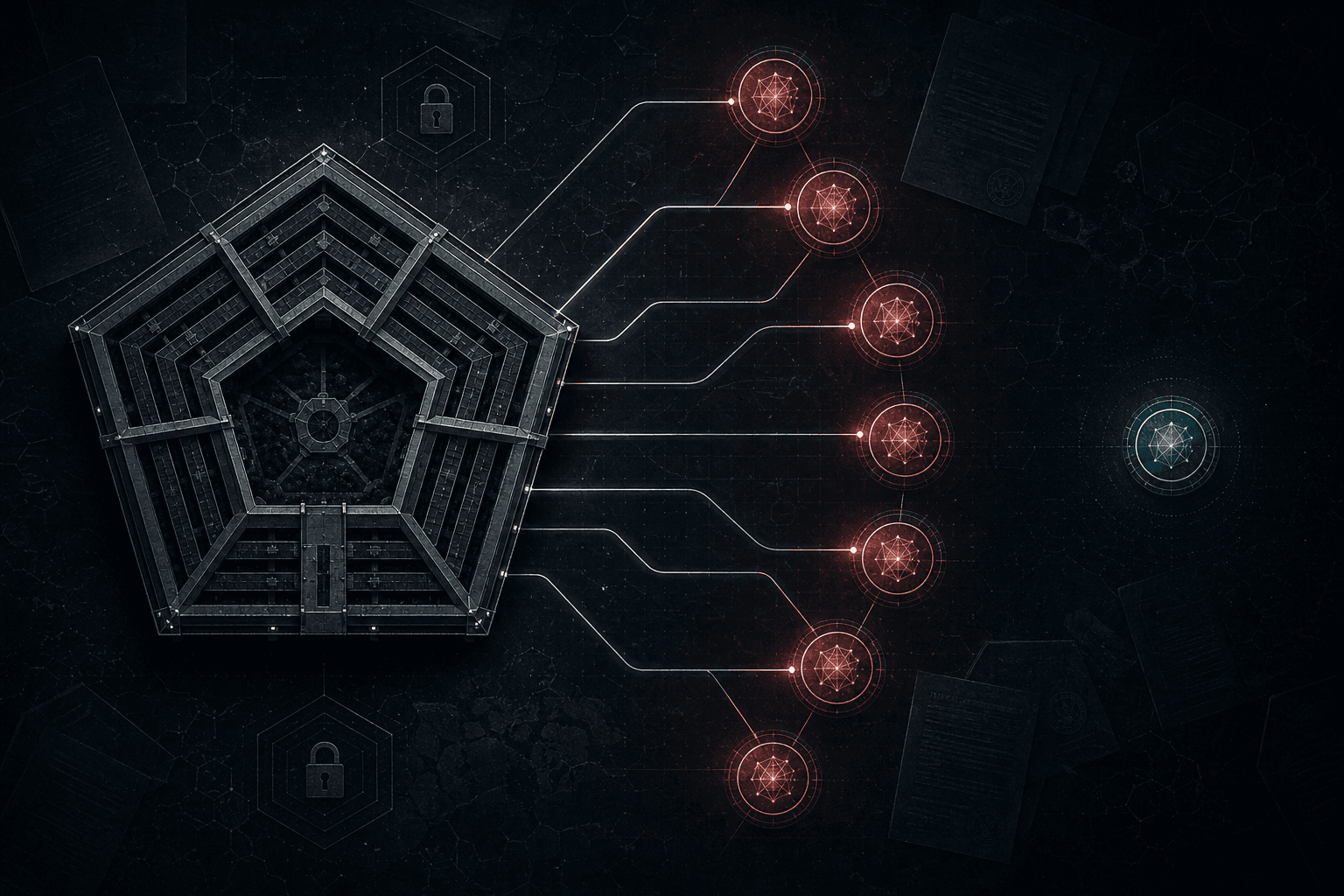
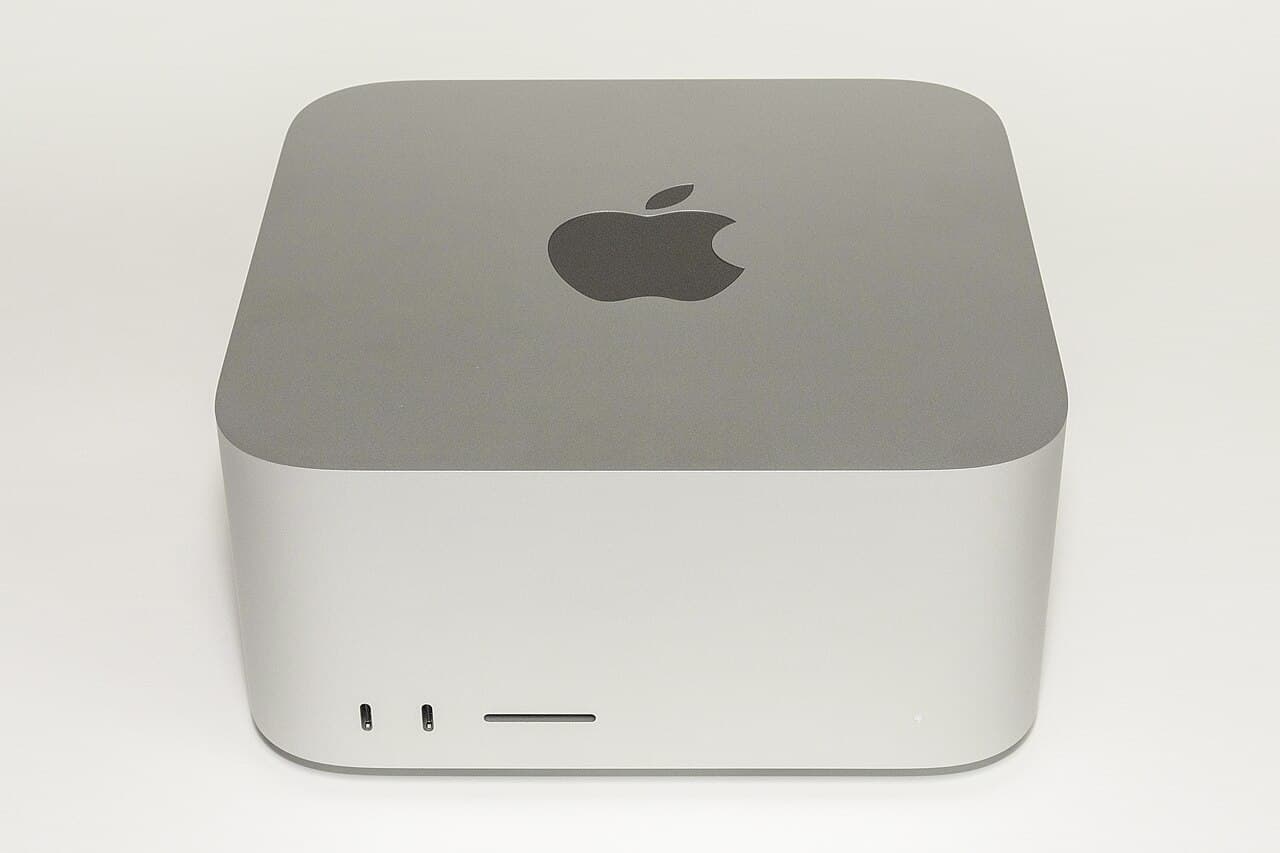
The current pattern is different. The shell still exists, but underneath it sits a non-trivial local runtime — a model loader, a quantization-aware execution engine, a small set of pipelines that run end-to-end on the device. The remote endpoint is still there, but it has been demoted from "where the work happens" to "where work goes when the local path is not enough." It has become an opt-in fallback rather than the default.
This rearrangement has consequences for how products are built and how they are reasoned about. The local runtime introduces a new dependency surface: model files, weights, sometimes accelerator-specific kernels, all of which need to be shipped, updated, and versioned. The packaging story for a desktop AI tool is heavier than it used to be. The first download is bigger; the update mechanism has to handle binary artifacts of nontrivial size; the install footprint requires explanation.
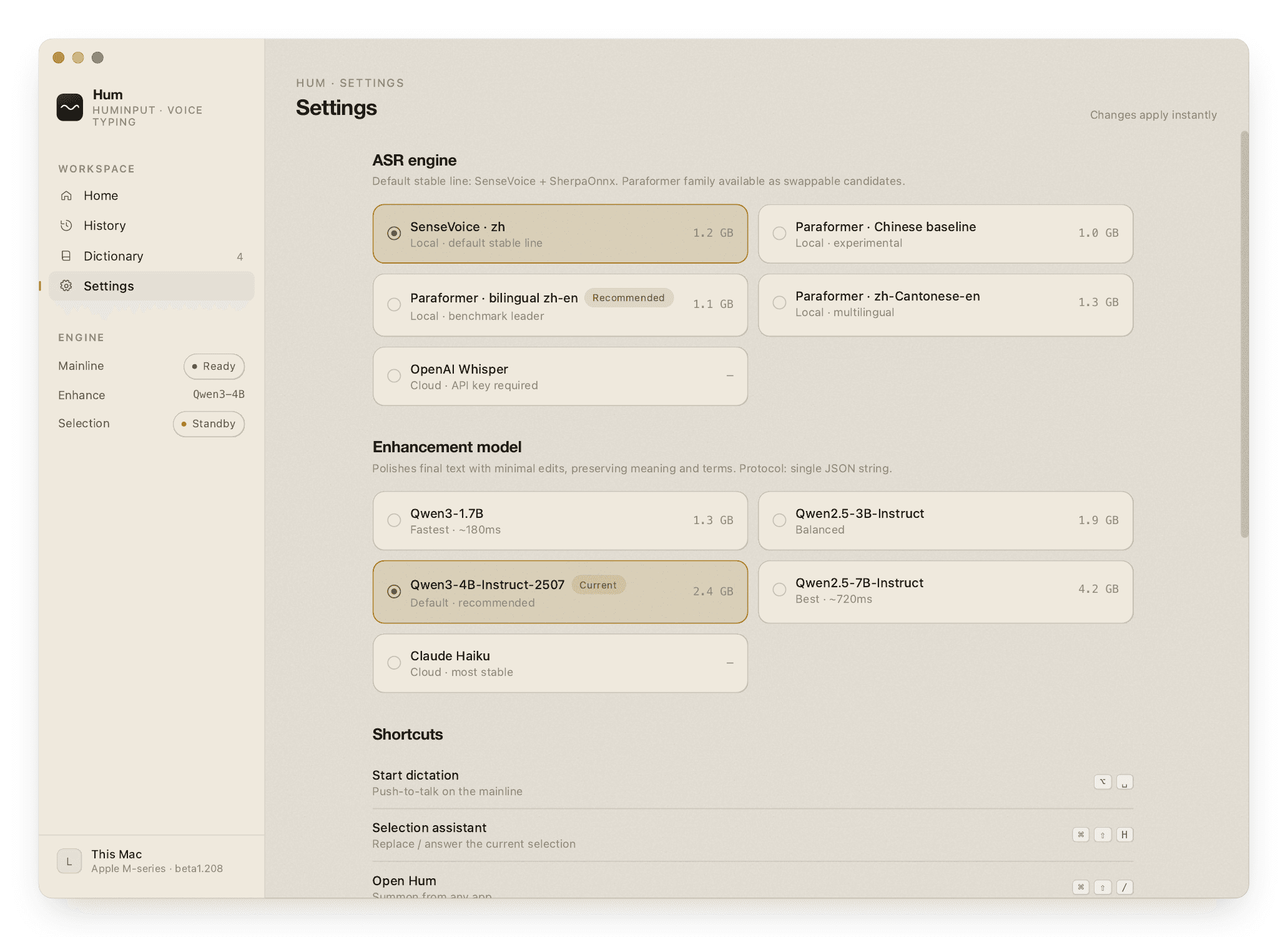
On the other hand, the operational story has become much lighter. A tool with a strong local default does not have to scale a fleet of inference servers in step with its user count. A burst of usage costs the user some battery; it does not cost the operator a proportional cloud bill. For small teams, this is a meaningful structural advantage.
The more interesting consequence is on the product surface. Local inference reshapes which interactions are even possible. A spell-correct overlay that has to wait 600ms after every keystroke is not a real product; the same overlay running locally with 30ms response time is. A voice typing tool that pauses to think after each sentence is awkward; one that streams text out in step with the speaker feels qualitatively different. Many of the desktop AI tools that have started to feel "good" rather than "impressive" share this property: their hot path is short, local, and synchronous.
There is a learning here for tool design that is harder to phrase as a single rule: the architecture you choose constrains the interactions you can build, more than is usually acknowledged. A cloud-first design will keep nudging you toward asynchronous, request-response interactions, because that is what its underlying transport rewards. A local-first design will keep nudging you toward continuous, synchronous interactions, because those are what its underlying transport makes cheap. These are different products, even if the surface looks similar.
We are not arguing that one shape is better than the other in all cases. We are noting that the shape has changed, that the change is mostly invisible to users but mostly visible to the people building these tools, and that anyone building in this space in 2026 is implicitly choosing a side when they choose an architecture.